Explore Machu Picchu with a smooth, well-planned tour
Machu Picchu is one of those places that feels both monumental and intimate at the same time.
A good tour helps you navigate entry circuits, train timing, shuttle buses, and altitude adaptation, while giving you space to pause, breathe, and truly absorb the sanctuary’s atmosphere..
Machu Picchu Inca Sanctuary Tours Visiting timetable
The citadel typically opens early in the morning and closes in the late afternoon. Entry is organized by scheduled time slots and official circuits, which can vary by season and conservation rules.
Machu Picchu Inca Sanctuary Tours Closing Days
Machu Picchu generally operates year-round, though occasional route adjustments, weather disruptions, or temporary restrictions can happen during heavy rain, maintenance, or conservation work.
Where is Located
Machu Picchu Historic Sanctuary, Cusco Region, Peru
How to reach your Machu Picchu tour
Most travelers begin in Cusco or the Sacred Valley, continue by train to Aguas Calientes (Machu Picchu Pueblo), and then take the official shuttle bus up to the sanctuary entrance. Your exact route depends on train station choice, ticket timing, and whether your package includes guide coordination.
By Train
Train travel is the classic and most comfortable route for many visitors. Depending on your booking, departures leave from Poroy, San Pedro, or Ollantaytambo and arrive in Aguas Calientes. During high season, arriving at least a day before your sanctuary entry can reduce stress and help with weather or schedule changes.
By Car
There is no direct road all the way to Machu Picchu itself. If you travel by car, you normally drive toward the Sacred Valley and continue to points like Hidroeléctrica, then walk or transfer onward. This route can be adventurous and budget-friendly, but it requires careful planning, good timing, and comfort with changing transport segments.
By Bus
Long-distance buses connect Lima and other cities to Cusco, and regional buses connect towns across the valley. From Cusco, most visitors still combine train plus the official shuttle buses from Aguas Calientes up to the entrance gate.
On Foot
For hikers, the journey can include portions of the Inca Trail, Salkantay, or independent walks from Hidroeléctrica to Aguas Calientes. Even on classic day tours, expect uneven stone steps and frequent ascents and descents inside the archaeological site, so sturdy footwear is essential.
Why choose a Machu Picchu sanctuary tour
Clear logistics, deeper historical context, and a calmer on-site experience. A strong local guide helps you understand not only what you see, but why these terraces, temples, and alignments mattered to the Inca worldview.
Machu Picchu Inca Sanctuary Tours
The Classic Citadel Viewpoints
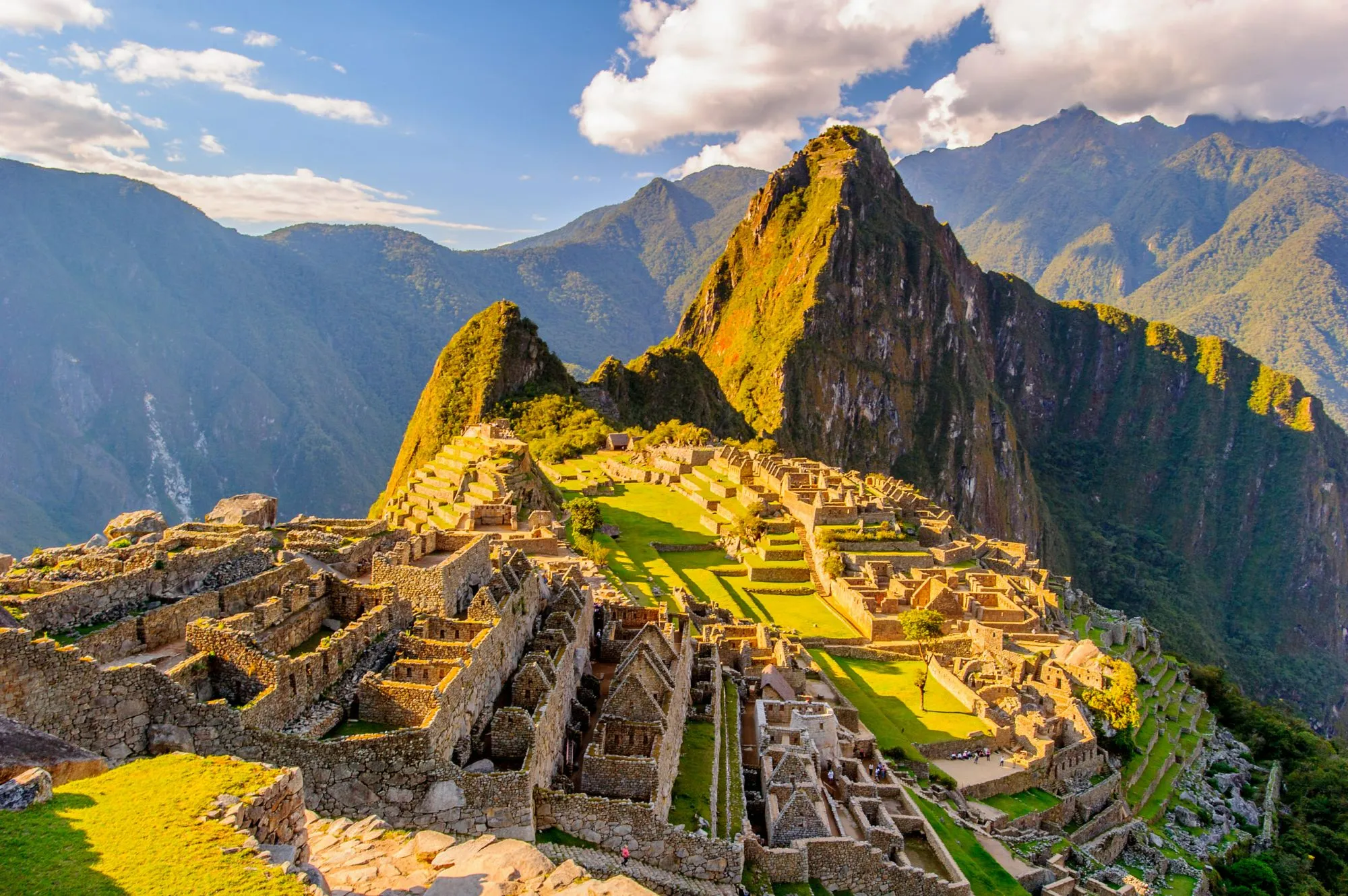
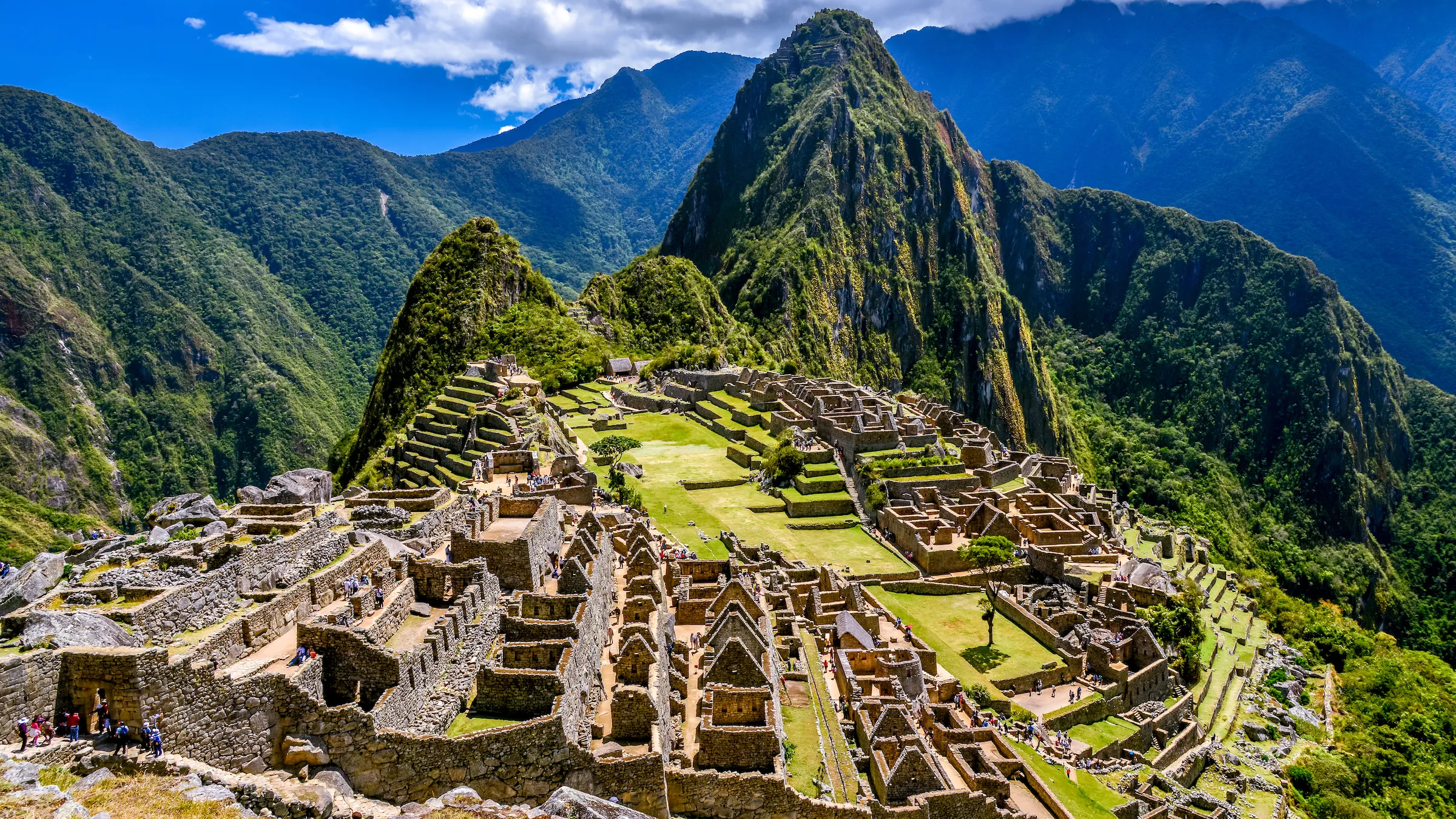
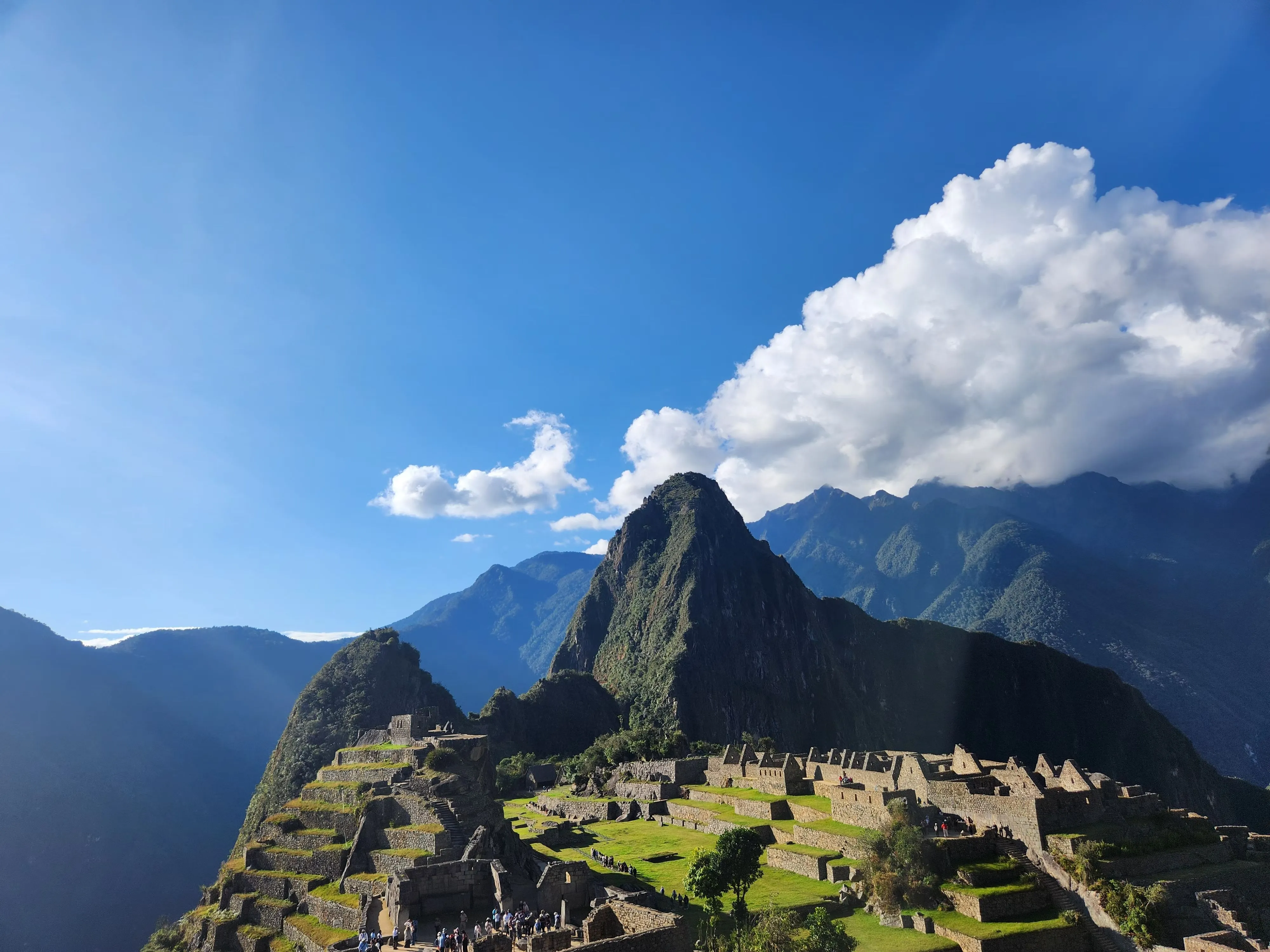
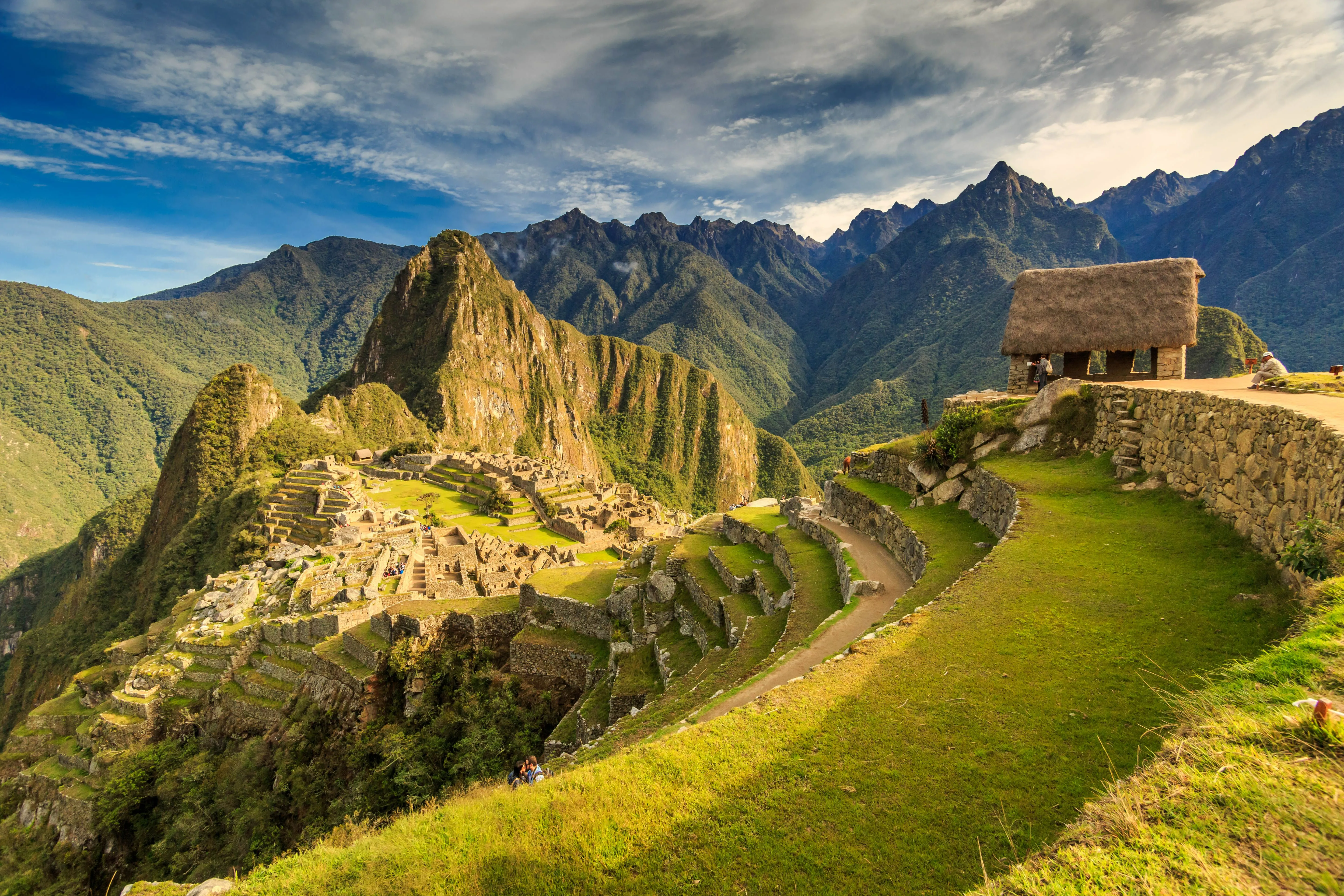
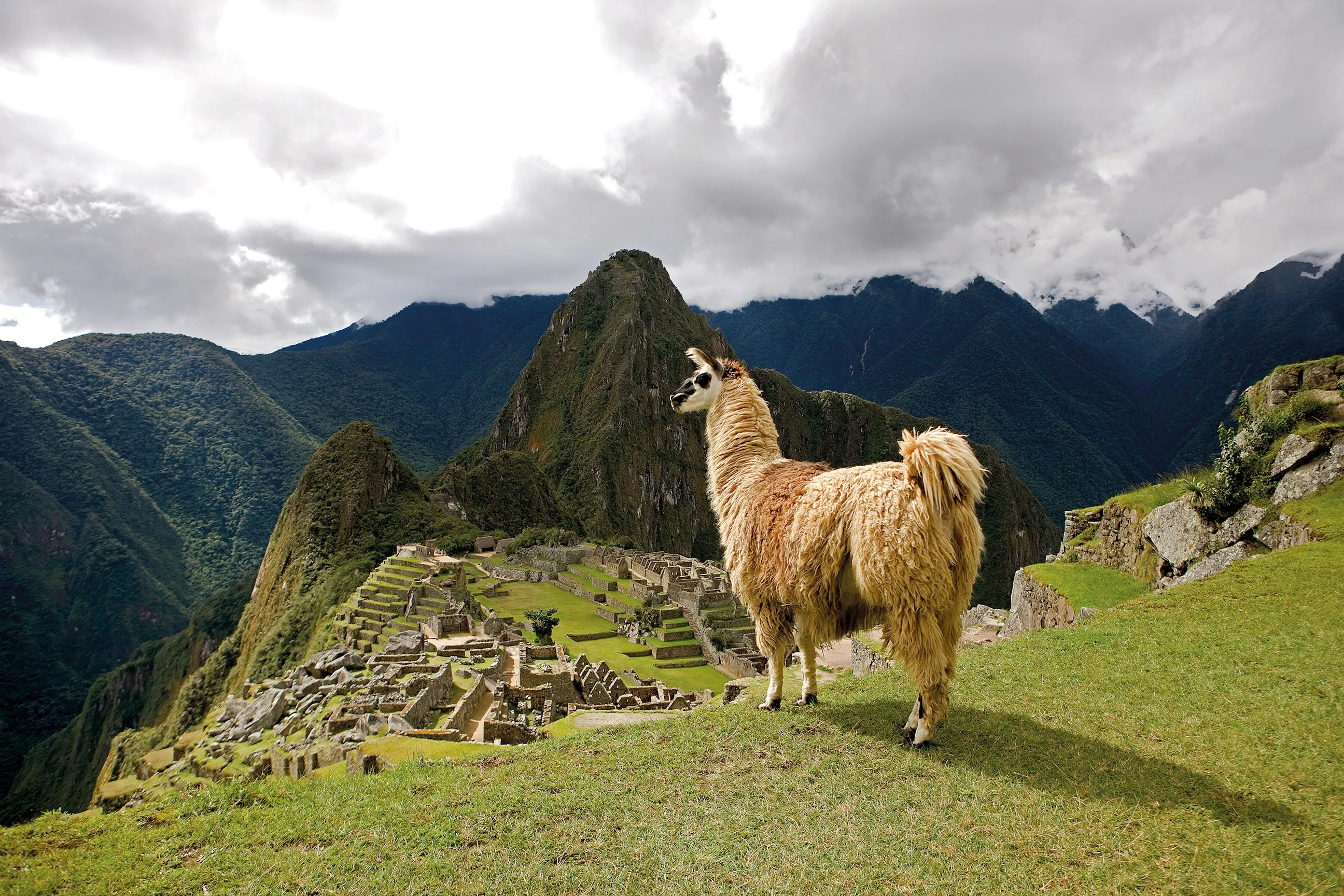
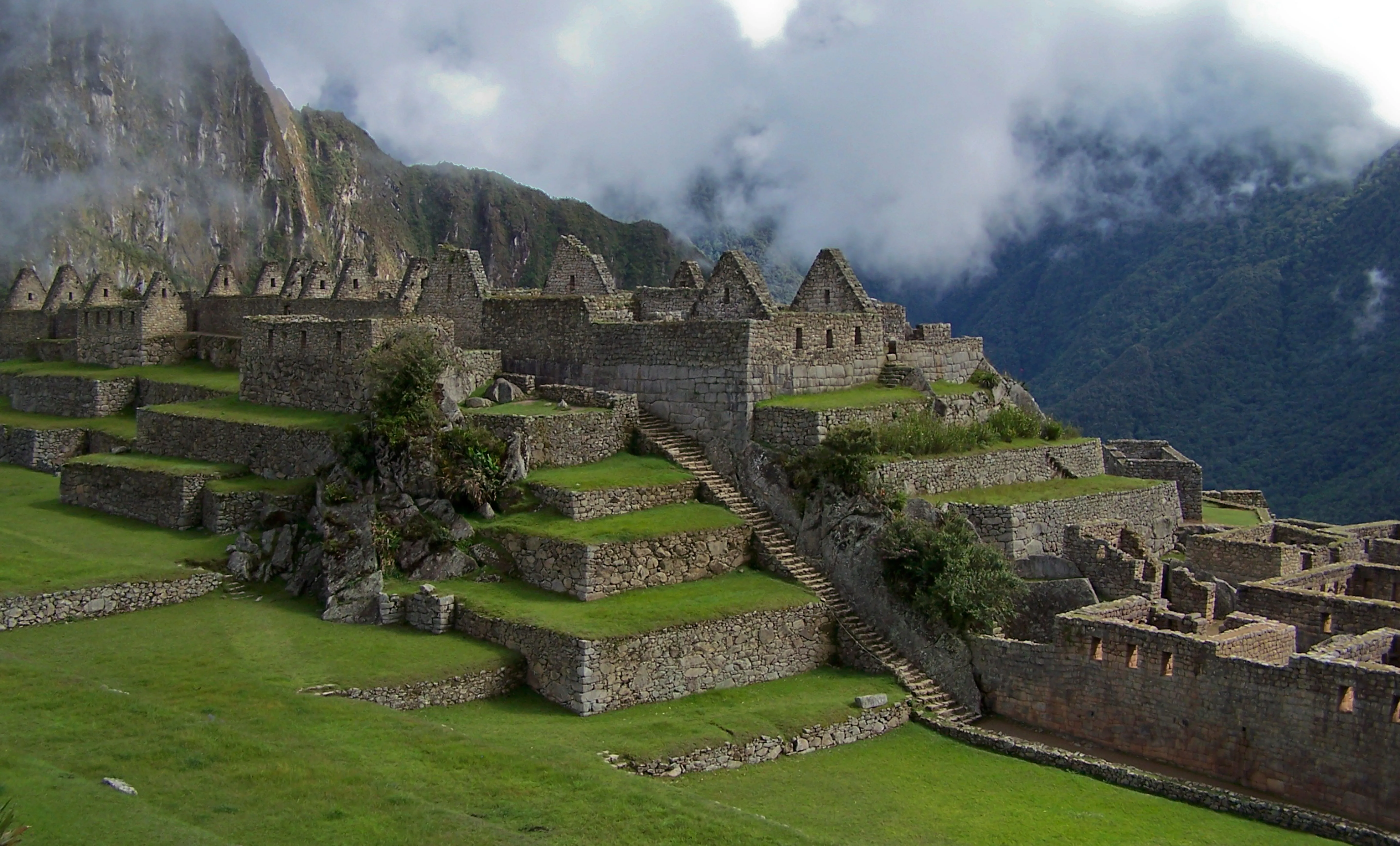
These upper viewpoints are where most visitors capture the iconic panorama: terraces cascading below, Huayna Picchu rising behind, and clouds moving like slow theater curtains across the ridge. It is one of the most recognizable landscapes in the world for good reason.
Sacred Temples and Ritual Stones
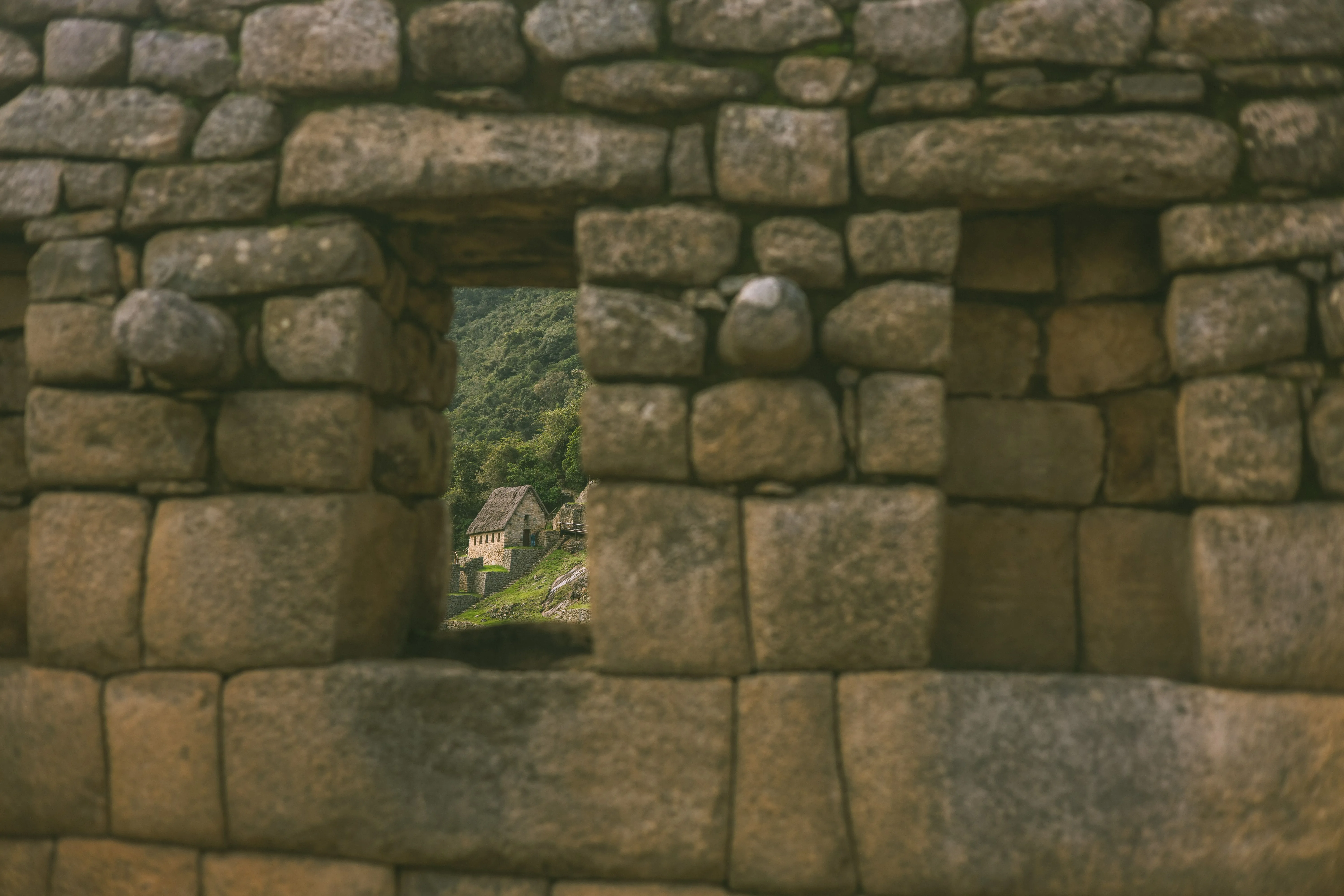
Inside the ceremonial areas, precision stonework, solar orientation, and water channels reveal how architecture, astronomy, and spirituality were intertwined. A guide can point out details you might miss at first glance, from carved alignments to symbolic construction patterns.
Terraces, Trails, and Cloud-Forest Edges
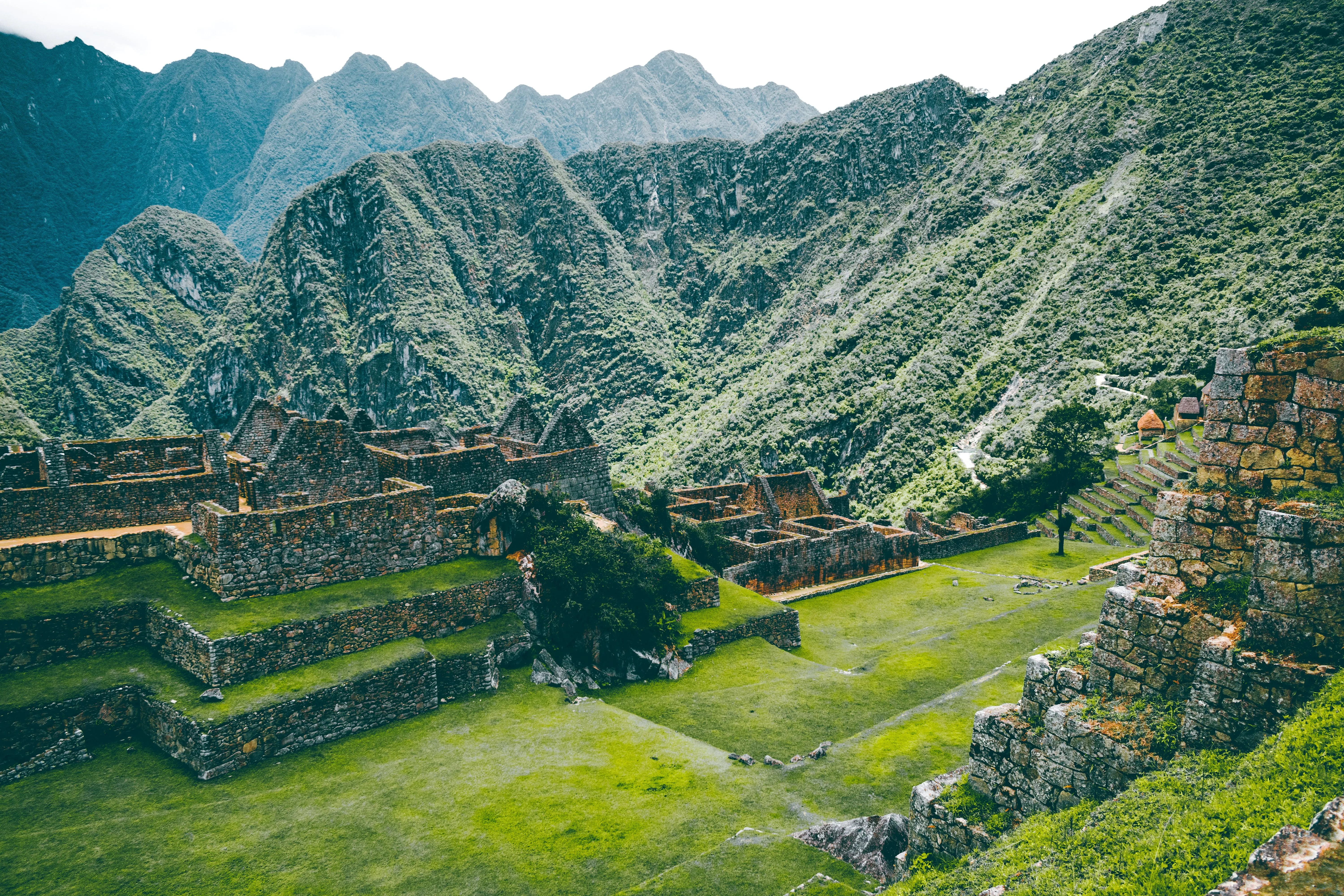
Beyond the famous postcard frame, the sanctuary includes agricultural terraces and pathways tracing the mountain’s contours. As you walk, orchids, bromeliads, and highland vegetation create a living border between archaeology and wild Andean nature.
Machu Picchu at a glance
Quick practical answers before your sacred valley adventure begins.
Book your Machu Picchu sanctuary tour
Choose a focused half-day circuit or a full-day itinerary with coordinated transfers.
Add mountain climbs, Sacred Valley extensions, or premium train options to match your travel style.