Where mountain, memory, and empire still meet
Every terrace and carved wall at Machu Picchu tells a story of resilience, ritual intelligence, and deep ecological adaptation.
Table of Contents
Origins of the Inca world
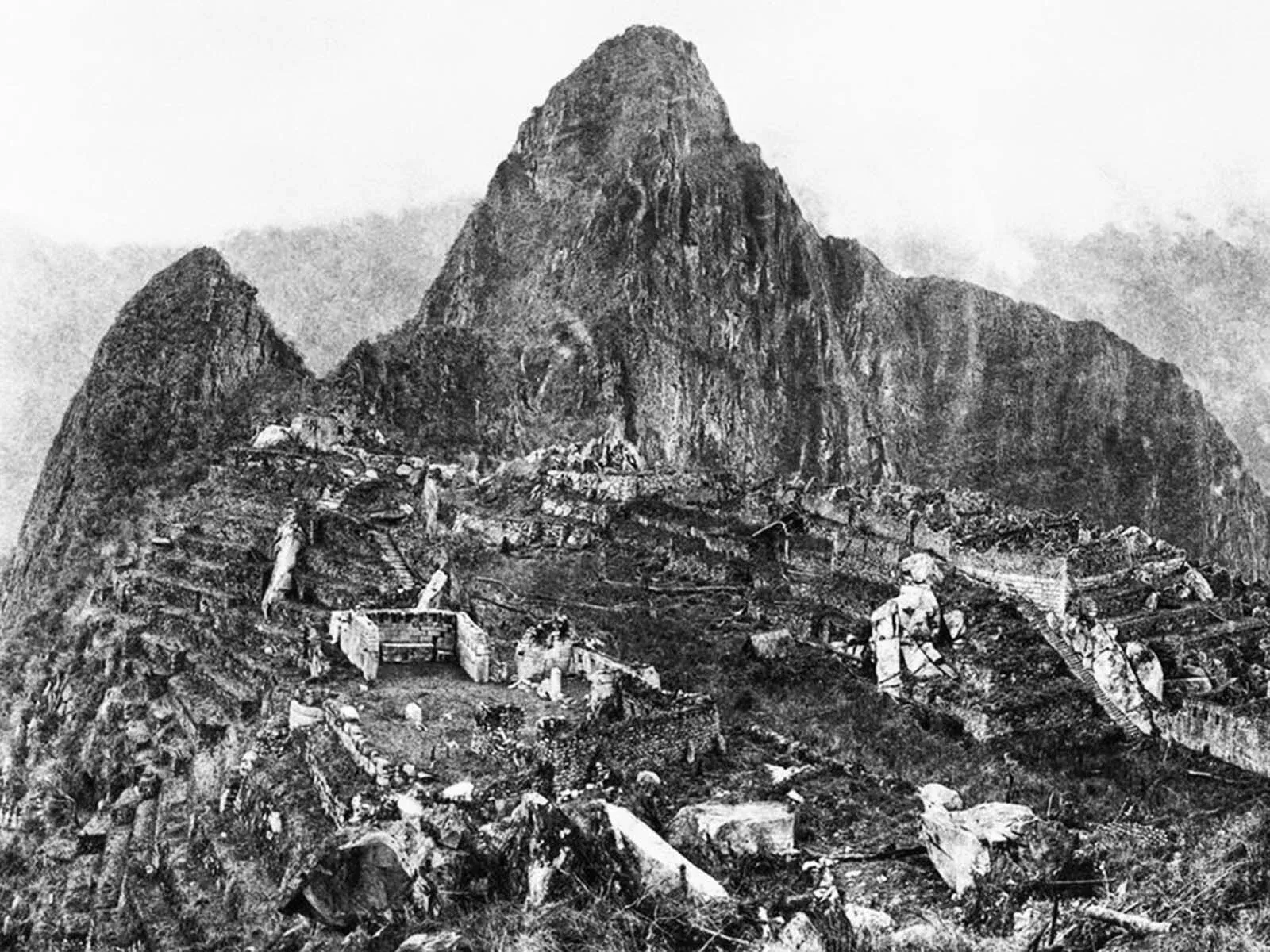
Long before Machu Picchu entered modern travel imaginations, the Andes were already shaped by sophisticated cultures that understood altitude, astronomy, and collective labor at remarkable scale. The Inca state, centered in Cusco, emerged by integrating regional traditions into a broader political and ceremonial network. Roads, terraces, storehouses, and ritual centers linked valleys and peaks across challenging terrain, creating a system where mobility, reciprocity, and sacred geography were inseparable. In this context, Machu Picchu was not an isolated miracle but part of a highly organized world that valued both practical adaptation and symbolic meaning.
What makes the Inca achievement especially striking is how fully it embraced local conditions rather than attempting to dominate them with imported design logic. Construction methods responded to seismic risk, water flow, and slope stability; social structures coordinated labor through communal obligations and shared ritual frameworks. By the time Machu Picchu was developed in the fifteenth century, the Inca had already refined a language of mountain architecture that could be both elegant and resilient. The sanctuary stands as one of the most vivid expressions of that language, where power, spirituality, and environmental intelligence were carved into stone.
Why Machu Picchu was built here
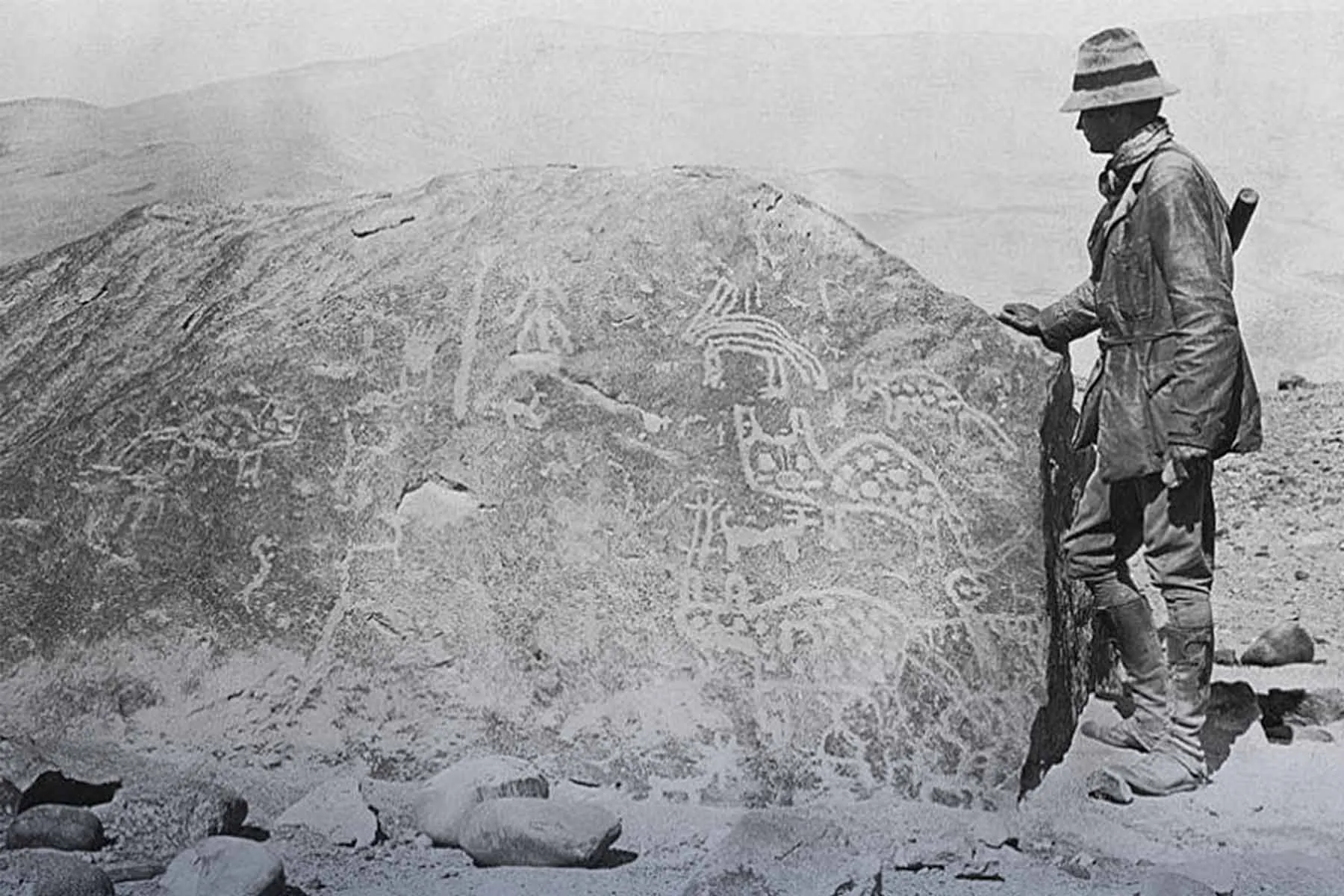
Machu Picchu’s location is dramatic, but it is not arbitrary. Perched between mountain peaks above a bend in the Urubamba River, the site occupies a natural stronghold with strategic visibility and symbolic weight. Scholars continue debating its exact primary function—royal estate, ceremonial center, seasonal retreat, or a combination of roles—but there is broad agreement that the setting itself was integral to its purpose. Mountains in Andean cosmology were living entities, and building among them was as much about dialogue with sacred forces as it was about political display.
The placement also reveals pragmatic sophistication. The ridge offers defensible contours, manageable microclimates, and access to water systems that could be channeled with precision. Agricultural terraces stabilized slopes while producing food and regulating runoff. In effect, Machu Picchu was designed as a high-altitude ecosystem where engineering and ritual geography reinforced each other. Even today, visitors sense this coherence: every staircase, retaining wall, and plaza seems to belong exactly where it is, as if the architecture grew from the mountain itself.
Sacred geography and cosmic order
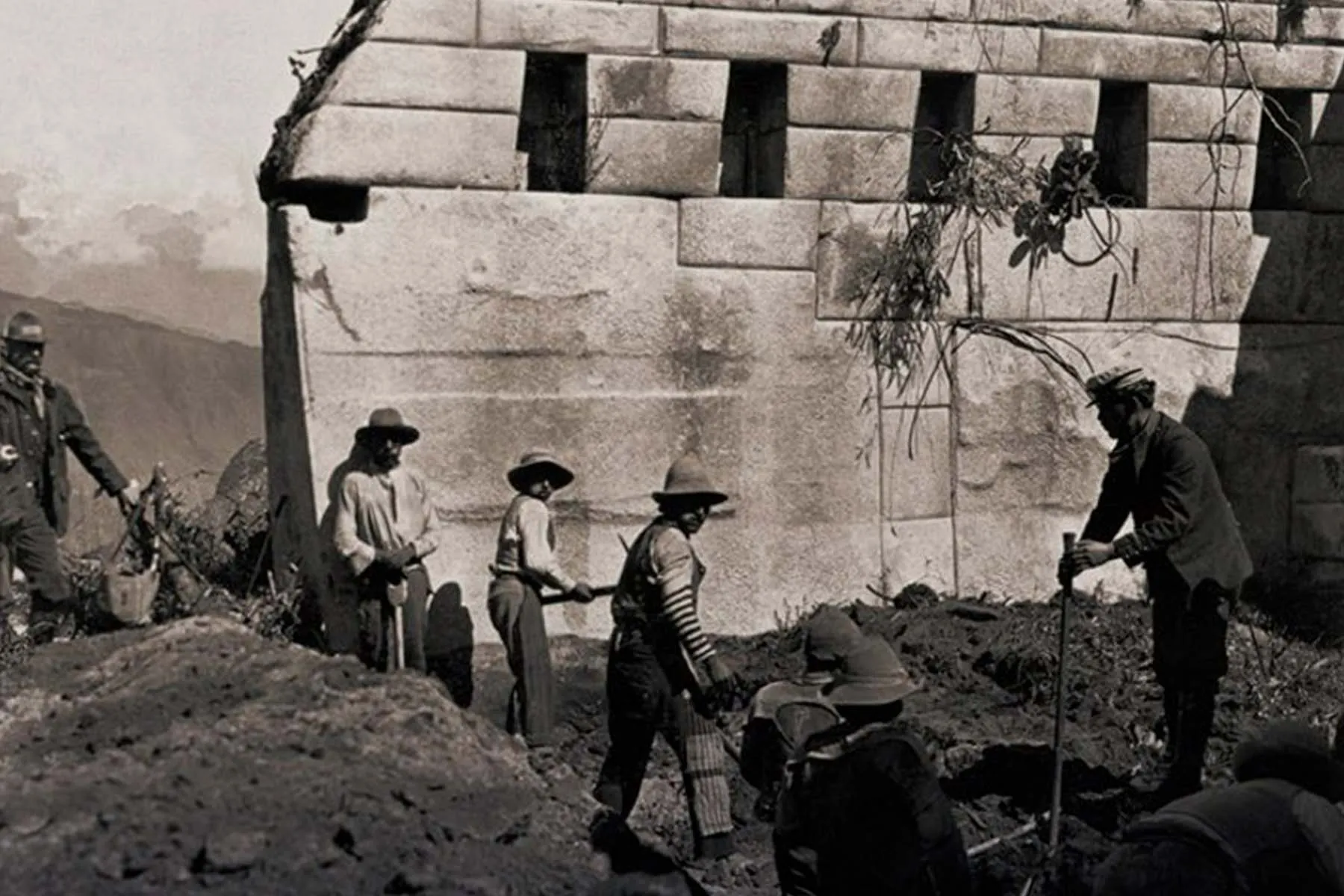
To understand Machu Picchu, it helps to look beyond the idea of ruins as static leftovers from the past. In Inca thought, landscape and cosmos were active participants in social life. Peaks, rivers, and celestial cycles formed a relational map where ritual timing and political legitimacy intersected. Certain structures in Machu Picchu appear aligned with solar events or key mountain references, suggesting that observation, ceremony, and governance were interwoven in carefully staged spaces.
This does not mean every stone had a single mystical code, but it does mean architecture was rarely neutral. Processional routes, thresholds, and sightlines likely shaped how people moved, gathered, and understood authority. A guided walk often clarifies these patterns: what first appears as scenic arrangement gradually reads as intentional choreography. The sanctuary then becomes more than an archaeological attraction; it becomes a cultural text written in topography, shadow, and stone.
Terraces, water, and mountain engineering
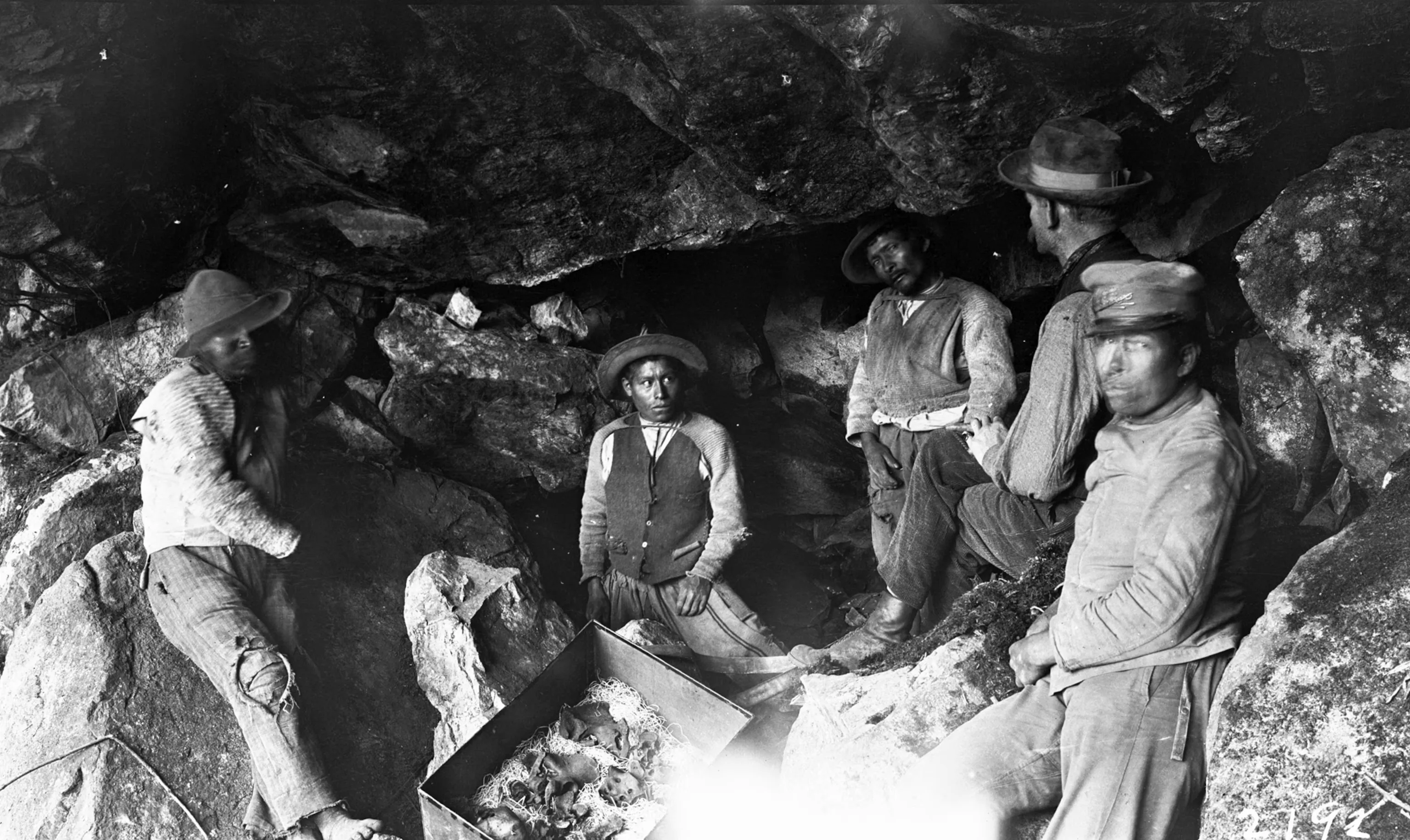
One of Machu Picchu’s quiet marvels is its infrastructure. Terraces are not merely decorative steps for photographs; they are structural systems that stabilize steep ground, manage drainage, and create cultivation zones. Layered with stone, gravel, and soil, they help disperse rainfall and reduce erosion. In a cloud-forest environment with seasonal intensity, this hydraulic intelligence was essential to preserving the settlement over time.
Water management is equally impressive. Springs were tapped and guided through channels and fountains that balanced utility, sanitation, and ceremonial use. Combined with robust retaining walls and earthquake-aware masonry, these systems reveal a design philosophy grounded in adaptation rather than brute force. For modern visitors, this engineering legacy is a reminder that resilience often comes from working with natural dynamics, not against them.
Daily life in a high-altitude estate
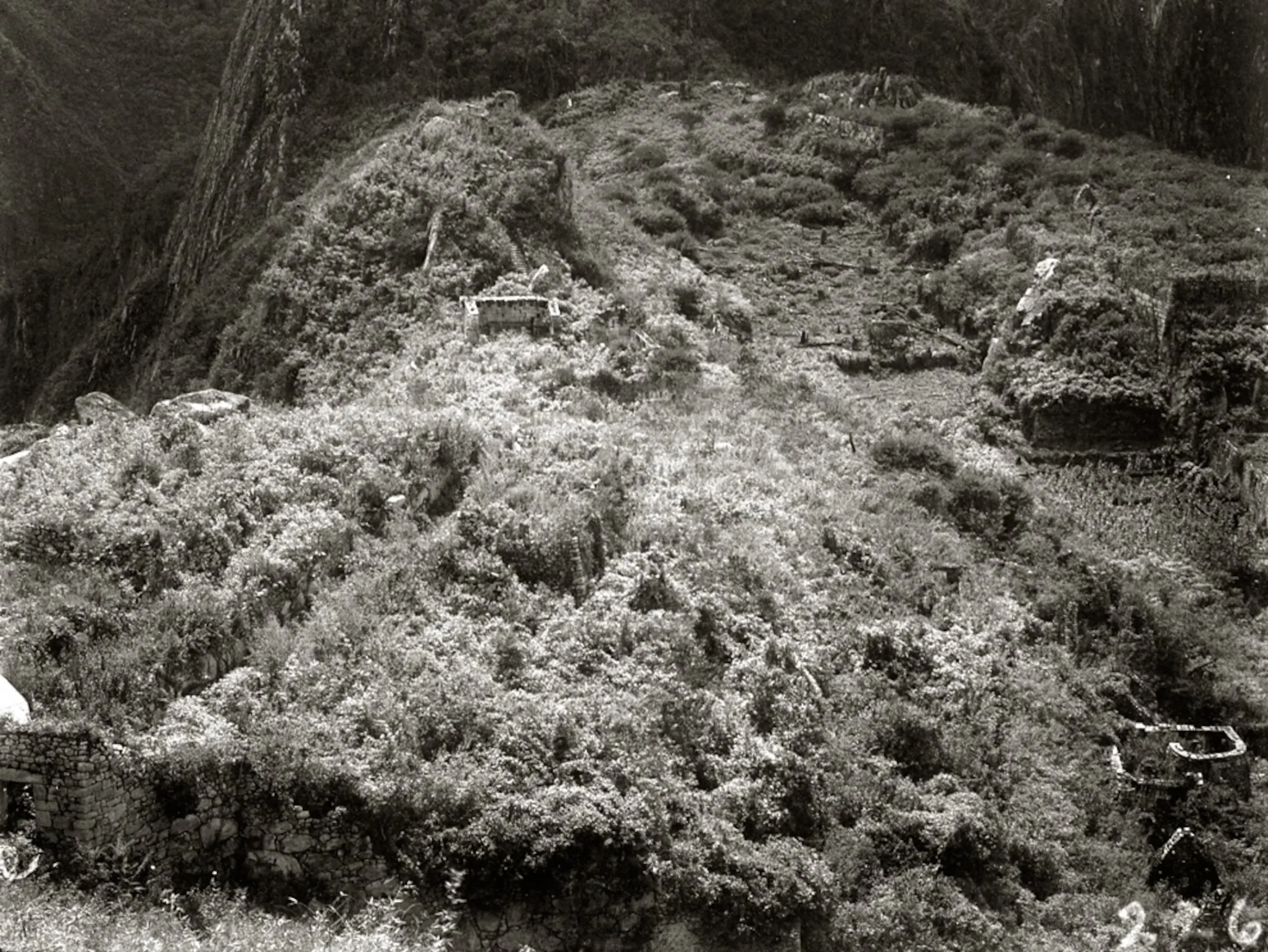
Although Machu Picchu is frequently framed through royal or ceremonial narratives, it was also a lived environment that required routine labor and social coordination. Food had to be produced, stored, and prepared; pathways had to be maintained; water and construction systems had to be monitored. Artisans, attendants, agricultural workers, and ritual specialists likely contributed to a daily rhythm that mixed practical tasks with formal observances.
Imagining this human scale enriches the visit. Beyond famous monuments, there are modest spaces where ordinary activities may have unfolded: carrying goods, grinding crops, repairing tools, organizing provisions. The sanctuary’s grandeur becomes even more compelling when paired with these quieter realities. It was not only a symbol of power, but also a functioning mountain community shaped by cooperation and skilled work.
Ritual spaces and ceremonial pathways
Ceremonial sectors at Machu Picchu reflect a layered approach to sacred practice. Open plazas, carved stones, and elevated zones suggest environments where processions, offerings, and seasonal observances could take place in relation to sky and mountain references. Movement through the site may have been intentionally sequenced, guiding participants from transitional spaces toward more restricted or symbolically charged areas.
For visitors today, these pathways still carry a strong sense of progression: wide views give way to narrow passages, then open again onto terraces and temples. This rhythm creates emotional texture—anticipation, pause, revelation—that likely mattered in ceremonial contexts. Even without claiming certainty about every ritual detail, the spatial logic points to architecture designed to shape experience, not simply contain activity.
Spanish invasion and Andean continuity
The sixteenth-century Spanish invasion profoundly transformed the Andean world, disrupting political structures, economies, and sacred geographies. Yet continuity persisted through language, agricultural practice, textile traditions, and local ritual life. Machu Picchu itself was not absorbed into colonial urban development the way other major centers were, which contributed to its relative preservation.
This continuity matters when interpreting the sanctuary. Machu Picchu is not a disconnected relic from a vanished civilization; it belongs to a living cultural landscape where Quechua-speaking communities and Andean traditions remain present. Responsible tourism recognizes that heritage includes contemporary voices, not only stones and dates. Visiting with this perspective deepens respect and broadens historical understanding.
Rediscovery and global fascination
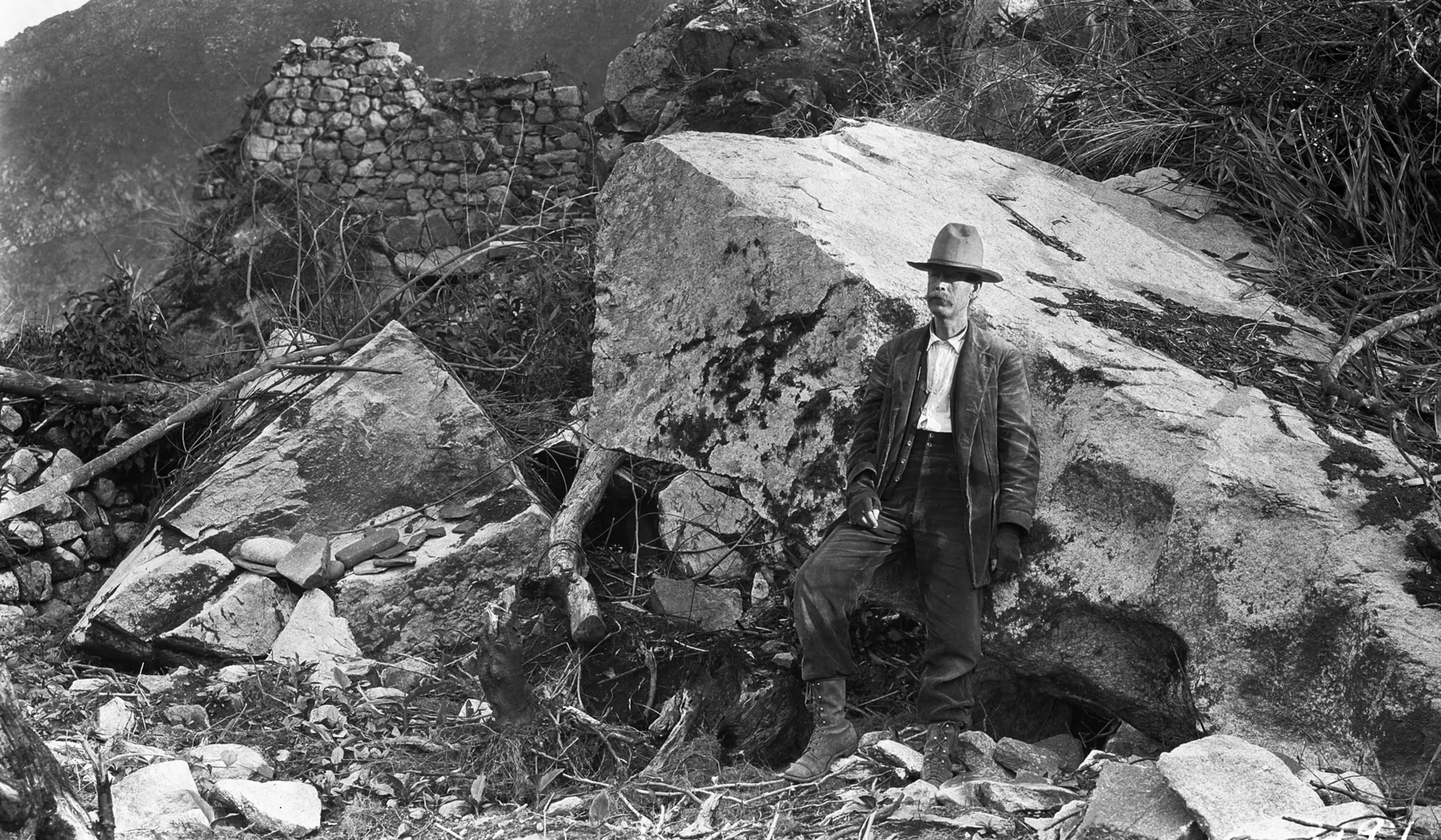
International awareness of Machu Picchu expanded dramatically in the early twentieth century, often tied to expedition narratives that framed the site as a lost city suddenly revealed. That framing helped attract global interest but also simplified complex local histories, including longstanding regional knowledge of the area. Over time, scholarship has become more nuanced, emphasizing collaborative archaeology, Indigenous context, and the limitations of heroic-discovery myths.
Today, Machu Picchu occupies a rare place in global imagination: widely recognized yet still capable of surprising even seasoned travelers. Part of this power comes from contrast—architectural precision in a rugged mountain environment, monumental scale with intimate pathways, and historical distance with immediate emotional impact. The challenge now is ensuring admiration translates into protection.
Conservation, ethics, and visitor impact
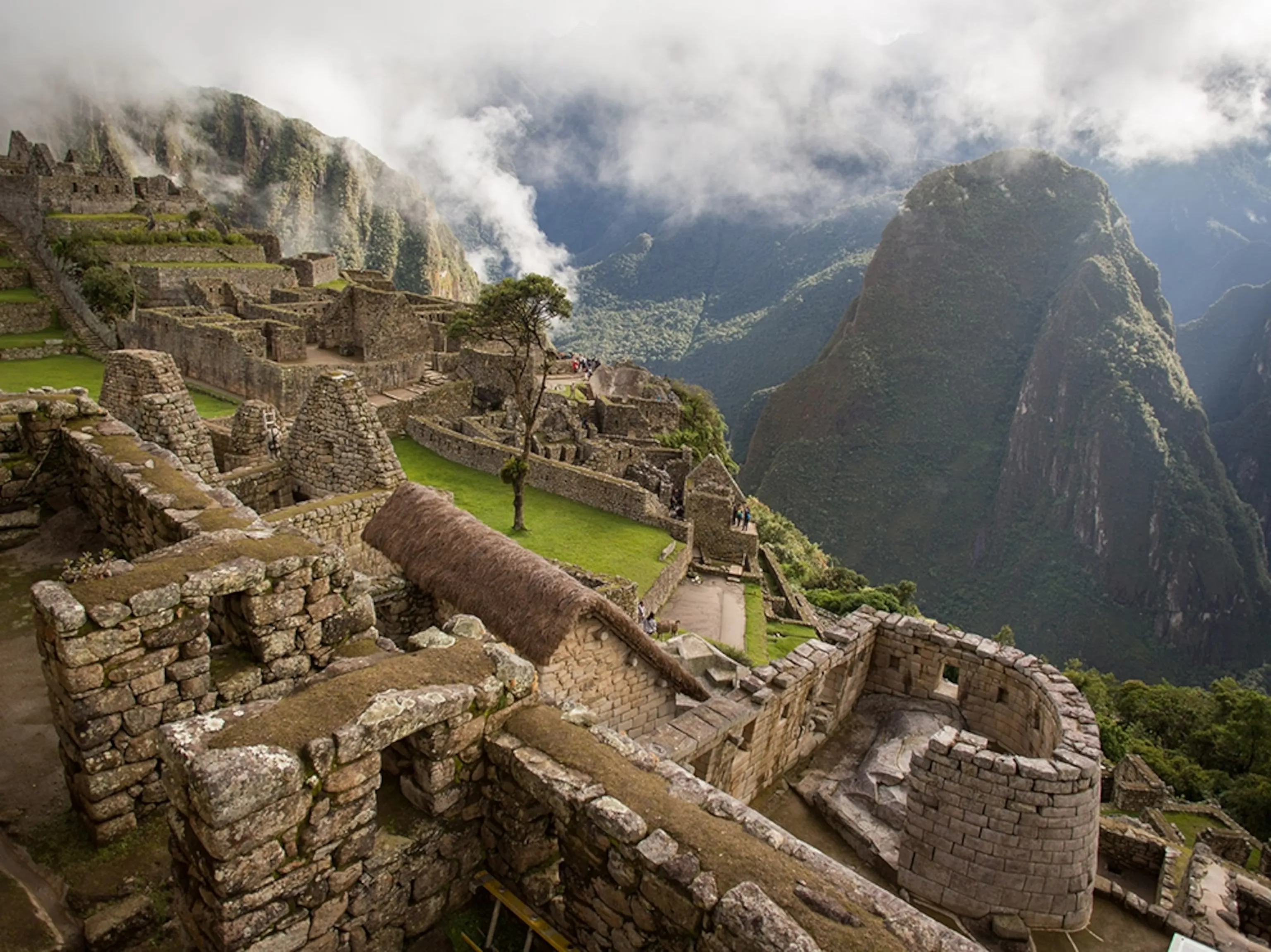
Machu Picchu’s popularity brings both opportunity and pressure. Tourism supports local economies and cultural visibility, but high foot traffic can stress fragile surfaces, drainage systems, and ecological buffers. Conservation efforts therefore involve constant balancing: protecting authenticity while keeping access possible for diverse visitors.
Ethical travel choices make a difference. Staying on marked paths, respecting route rules, avoiding litter, and supporting operators who prioritize heritage stewardship all help reduce cumulative impact. Preservation is not only an institutional responsibility; it is also a visitor practice. When travelers treat the sanctuary as a shared trust rather than a backdrop, the site’s future becomes more secure.
How tickets and circuits protect the site
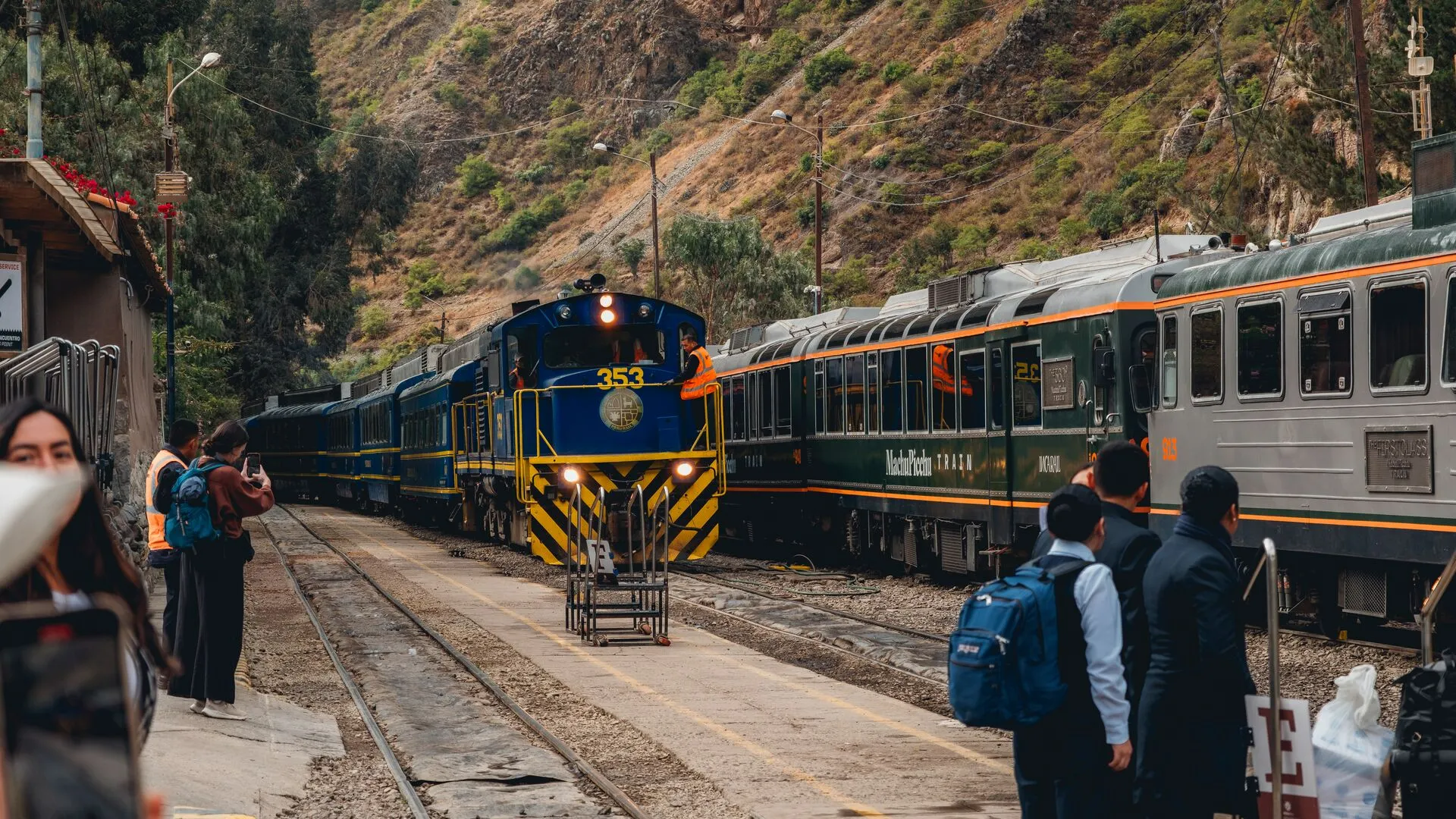
Timed entries and defined circuits can feel restrictive at first, but they serve an essential conservation purpose. By distributing visitors across routes and time windows, authorities reduce bottlenecks, surface wear, and unmanaged crowding in sensitive sectors. This system also improves safety and helps guides deliver clearer historical interpretation.
For travelers, the lesson is simple: planning is part of the experience. Choosing the right circuit, aligning transportation realistically, and arriving prepared can turn regulation into calm rather than friction. Instead of rushing through uncertainty, you move through the sanctuary with intention and enough time to absorb what makes it extraordinary.
Communities, culture, and living heritage
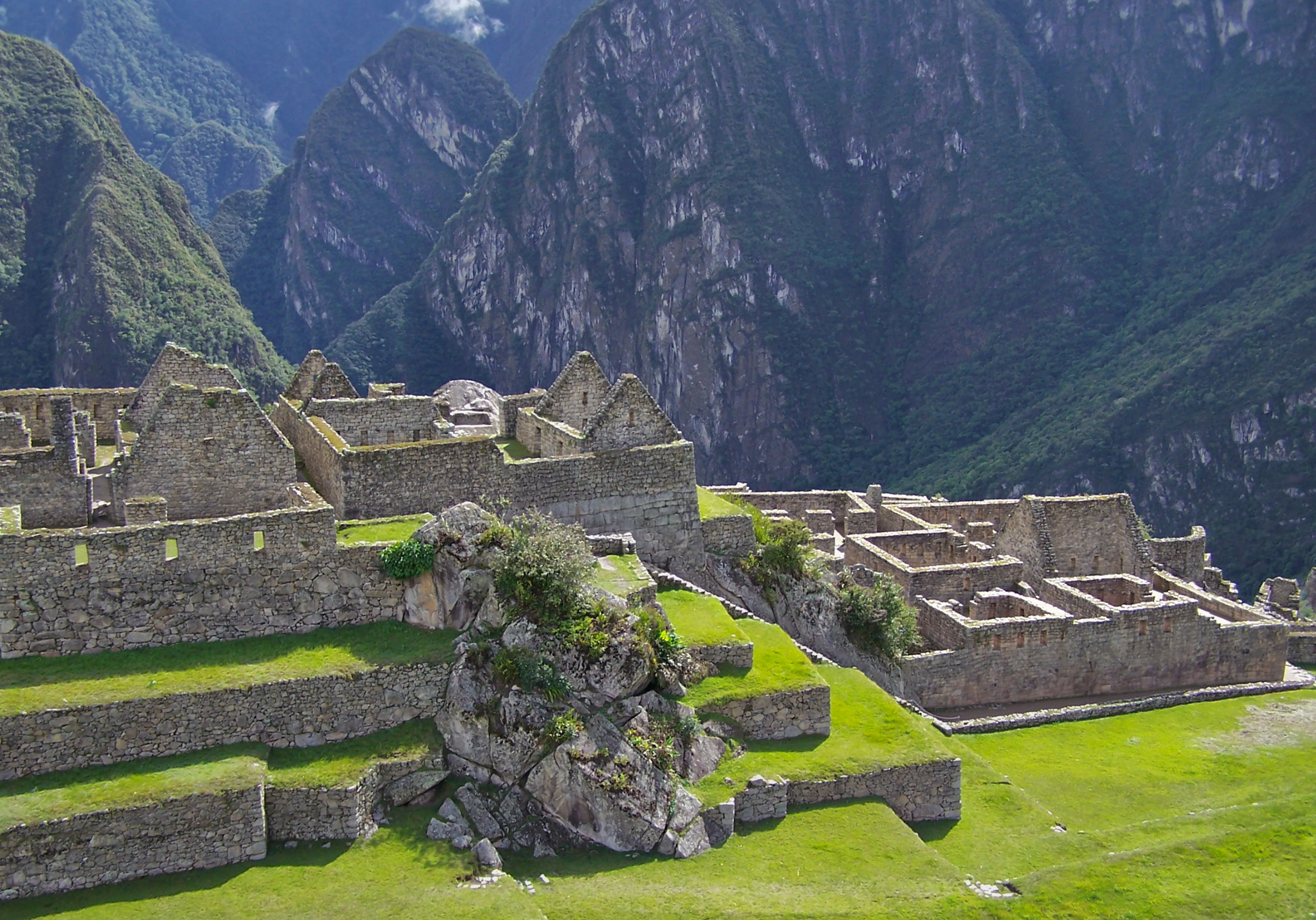
The broader Machu Picchu journey includes people and places beyond the citadel itself: artisans, guides, transport workers, and communities across Cusco and the Sacred Valley whose livelihoods are connected to cultural tourism. Their knowledge and hospitality are part of the experience, even when they are less visible than postcard viewpoints.
Supporting local businesses, learning basic cultural context, and traveling respectfully helps keep heritage economically meaningful at community level. This living dimension is crucial. Machu Picchu is not only an archaeological destination frozen in time; it is embedded in contemporary Andean life, where tradition and adaptation continue side by side.
Side routes, peaks, and wider sanctuary
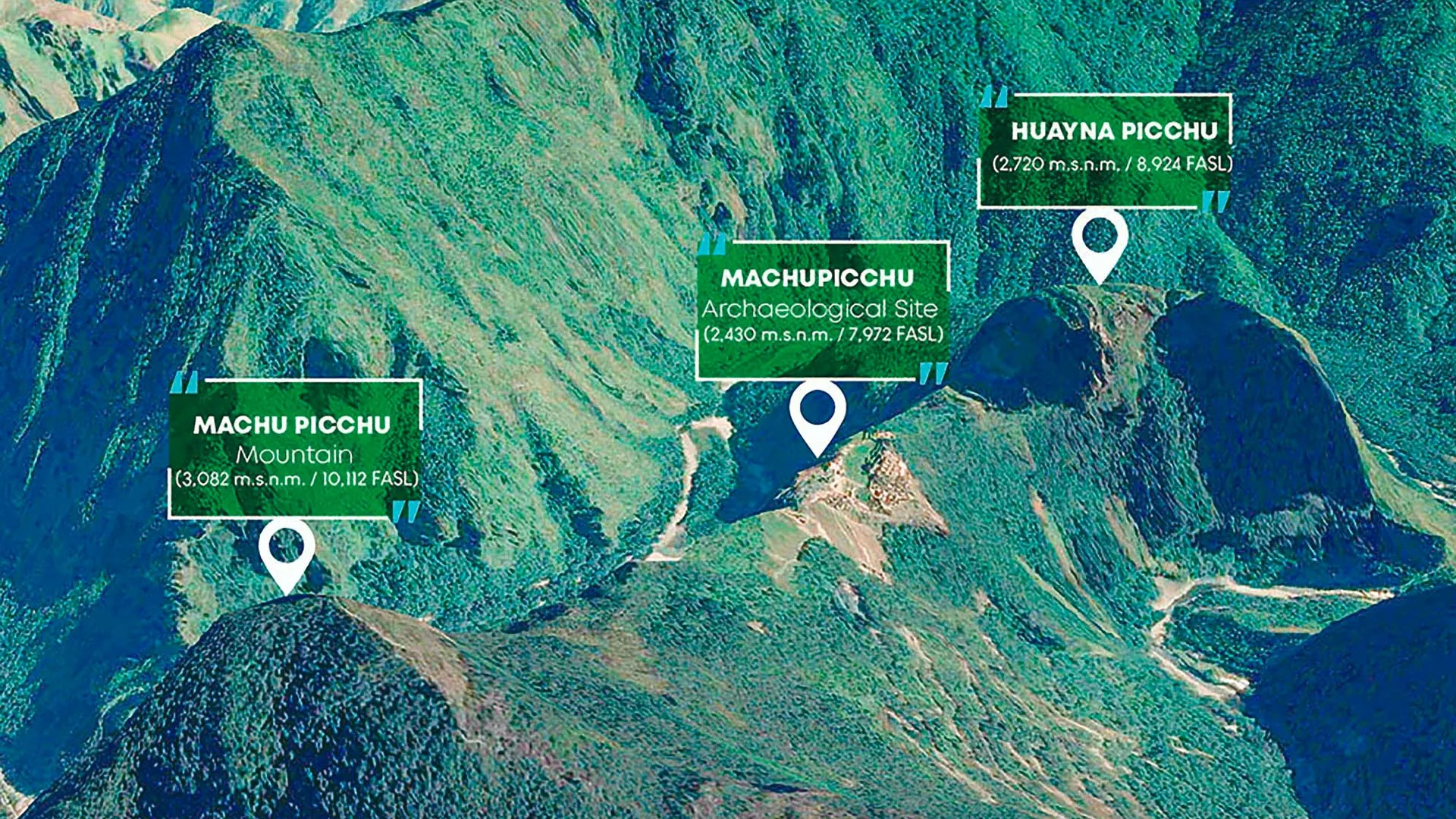
For those with additional permits or multi-day plans, the Machu Picchu experience can extend beyond the core citadel. Routes linked to Huayna Picchu, Machu Picchu Mountain, and other surrounding sectors reveal different angles on topography and site planning. Climbs are physically demanding but often reward visitors with quieter perspectives and broader landscape context.
These side routes also highlight how extensive the sanctuary environment is. The archaeological core sits within a larger mountain ecosystem where biodiversity, water dynamics, and cultural pathways intersect. Exploring this wider frame—responsibly and with proper preparation—adds depth to the visit and reinforces the sense that Machu Picchu is both monument and living terrain.
Why Machu Picchu still feels timeless
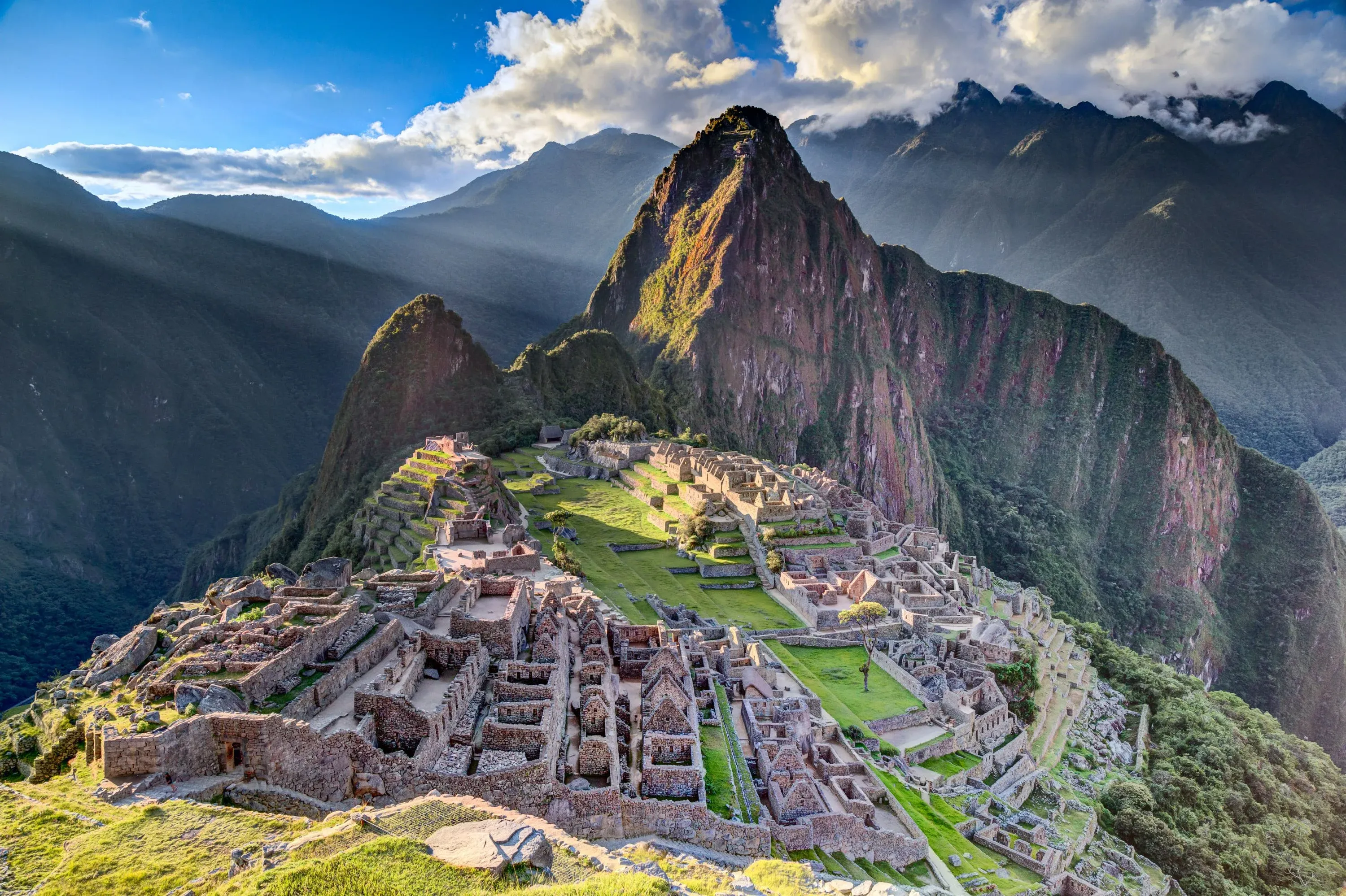
Machu Picchu endures in the global imagination because it delivers more than visual drama. It offers a rare encounter with a place where engineering, belief, governance, and ecology were integrated into one coherent mountain design. Even after countless photos and documentaries, arriving in person often feels unexpectedly intimate—the scale is grand, yet the pathways invite close attention.
By the end of your visit, what lingers is not only the famous panorama but the rhythm of the experience itself: mist opening and closing over stone walls, footsteps on ancient stairs, brief silences at viewpoints, and stories that link distant centuries to present-day Andean life. That combination of beauty, complexity, and continuity is why Machu Picchu still feels timeless, and why each careful visit becomes part of its ongoing story.
Table of Contents
Origins of the Inca world
Long before Machu Picchu entered modern travel imaginations, the Andes were already shaped by sophisticated cultures that understood altitude, astronomy, and collective labor at remarkable scale. The Inca state, centered in Cusco, emerged by integrating regional traditions into a broader political and ceremonial network. Roads, terraces, storehouses, and ritual centers linked valleys and peaks across challenging terrain, creating a system where mobility, reciprocity, and sacred geography were inseparable. In this context, Machu Picchu was not an isolated miracle but part of a highly organized world that valued both practical adaptation and symbolic meaning.
What makes the Inca achievement especially striking is how fully it embraced local conditions rather than attempting to dominate them with imported design logic. Construction methods responded to seismic risk, water flow, and slope stability; social structures coordinated labor through communal obligations and shared ritual frameworks. By the time Machu Picchu was developed in the fifteenth century, the Inca had already refined a language of mountain architecture that could be both elegant and resilient. The sanctuary stands as one of the most vivid expressions of that language, where power, spirituality, and environmental intelligence were carved into stone.
Why Machu Picchu was built here
Machu Picchu’s location is dramatic, but it is not arbitrary. Perched between mountain peaks above a bend in the Urubamba River, the site occupies a natural stronghold with strategic visibility and symbolic weight. Scholars continue debating its exact primary function—royal estate, ceremonial center, seasonal retreat, or a combination of roles—but there is broad agreement that the setting itself was integral to its purpose. Mountains in Andean cosmology were living entities, and building among them was as much about dialogue with sacred forces as it was about political display.
The placement also reveals pragmatic sophistication. The ridge offers defensible contours, manageable microclimates, and access to water systems that could be channeled with precision. Agricultural terraces stabilized slopes while producing food and regulating runoff. In effect, Machu Picchu was designed as a high-altitude ecosystem where engineering and ritual geography reinforced each other. Even today, visitors sense this coherence: every staircase, retaining wall, and plaza seems to belong exactly where it is, as if the architecture grew from the mountain itself.
Sacred geography and cosmic order
To understand Machu Picchu, it helps to look beyond the idea of ruins as static leftovers from the past. In Inca thought, landscape and cosmos were active participants in social life. Peaks, rivers, and celestial cycles formed a relational map where ritual timing and political legitimacy intersected. Certain structures in Machu Picchu appear aligned with solar events or key mountain references, suggesting that observation, ceremony, and governance were interwoven in carefully staged spaces.
This does not mean every stone had a single mystical code, but it does mean architecture was rarely neutral. Processional routes, thresholds, and sightlines likely shaped how people moved, gathered, and understood authority. A guided walk often clarifies these patterns: what first appears as scenic arrangement gradually reads as intentional choreography. The sanctuary then becomes more than an archaeological attraction; it becomes a cultural text written in topography, shadow, and stone.
Terraces, water, and mountain engineering
One of Machu Picchu’s quiet marvels is its infrastructure. Terraces are not merely decorative steps for photographs; they are structural systems that stabilize steep ground, manage drainage, and create cultivation zones. Layered with stone, gravel, and soil, they help disperse rainfall and reduce erosion. In a cloud-forest environment with seasonal intensity, this hydraulic intelligence was essential to preserving the settlement over time.
Water management is equally impressive. Springs were tapped and guided through channels and fountains that balanced utility, sanitation, and ceremonial use. Combined with robust retaining walls and earthquake-aware masonry, these systems reveal a design philosophy grounded in adaptation rather than brute force. For modern visitors, this engineering legacy is a reminder that resilience often comes from working with natural dynamics, not against them.
Daily life in a high-altitude estate
Although Machu Picchu is frequently framed through royal or ceremonial narratives, it was also a lived environment that required routine labor and social coordination. Food had to be produced, stored, and prepared; pathways had to be maintained; water and construction systems had to be monitored. Artisans, attendants, agricultural workers, and ritual specialists likely contributed to a daily rhythm that mixed practical tasks with formal observances.
Imagining this human scale enriches the visit. Beyond famous monuments, there are modest spaces where ordinary activities may have unfolded: carrying goods, grinding crops, repairing tools, organizing provisions. The sanctuary’s grandeur becomes even more compelling when paired with these quieter realities. It was not only a symbol of power, but also a functioning mountain community shaped by cooperation and skilled work.
Ritual spaces and ceremonial pathways
Ceremonial sectors at Machu Picchu reflect a layered approach to sacred practice. Open plazas, carved stones, and elevated zones suggest environments where processions, offerings, and seasonal observances could take place in relation to sky and mountain references. Movement through the site may have been intentionally sequenced, guiding participants from transitional spaces toward more restricted or symbolically charged areas.
For visitors today, these pathways still carry a strong sense of progression: wide views give way to narrow passages, then open again onto terraces and temples. This rhythm creates emotional texture—anticipation, pause, revelation—that likely mattered in ceremonial contexts. Even without claiming certainty about every ritual detail, the spatial logic points to architecture designed to shape experience, not simply contain activity.
Spanish invasion and Andean continuity
The sixteenth-century Spanish invasion profoundly transformed the Andean world, disrupting political structures, economies, and sacred geographies. Yet continuity persisted through language, agricultural practice, textile traditions, and local ritual life. Machu Picchu itself was not absorbed into colonial urban development the way other major centers were, which contributed to its relative preservation.
This continuity matters when interpreting the sanctuary. Machu Picchu is not a disconnected relic from a vanished civilization; it belongs to a living cultural landscape where Quechua-speaking communities and Andean traditions remain present. Responsible tourism recognizes that heritage includes contemporary voices, not only stones and dates. Visiting with this perspective deepens respect and broadens historical understanding.
Rediscovery and global fascination
International awareness of Machu Picchu expanded dramatically in the early twentieth century, often tied to expedition narratives that framed the site as a lost city suddenly revealed. That framing helped attract global interest but also simplified complex local histories, including longstanding regional knowledge of the area. Over time, scholarship has become more nuanced, emphasizing collaborative archaeology, Indigenous context, and the limitations of heroic-discovery myths.
Today, Machu Picchu occupies a rare place in global imagination: widely recognized yet still capable of surprising even seasoned travelers. Part of this power comes from contrast—architectural precision in a rugged mountain environment, monumental scale with intimate pathways, and historical distance with immediate emotional impact. The challenge now is ensuring admiration translates into protection.
Conservation, ethics, and visitor impact
Machu Picchu’s popularity brings both opportunity and pressure. Tourism supports local economies and cultural visibility, but high foot traffic can stress fragile surfaces, drainage systems, and ecological buffers. Conservation efforts therefore involve constant balancing: protecting authenticity while keeping access possible for diverse visitors.
Ethical travel choices make a difference. Staying on marked paths, respecting route rules, avoiding litter, and supporting operators who prioritize heritage stewardship all help reduce cumulative impact. Preservation is not only an institutional responsibility; it is also a visitor practice. When travelers treat the sanctuary as a shared trust rather than a backdrop, the site’s future becomes more secure.
How tickets and circuits protect the site
Timed entries and defined circuits can feel restrictive at first, but they serve an essential conservation purpose. By distributing visitors across routes and time windows, authorities reduce bottlenecks, surface wear, and unmanaged crowding in sensitive sectors. This system also improves safety and helps guides deliver clearer historical interpretation.
For travelers, the lesson is simple: planning is part of the experience. Choosing the right circuit, aligning transportation realistically, and arriving prepared can turn regulation into calm rather than friction. Instead of rushing through uncertainty, you move through the sanctuary with intention and enough time to absorb what makes it extraordinary.
Communities, culture, and living heritage
The broader Machu Picchu journey includes people and places beyond the citadel itself: artisans, guides, transport workers, and communities across Cusco and the Sacred Valley whose livelihoods are connected to cultural tourism. Their knowledge and hospitality are part of the experience, even when they are less visible than postcard viewpoints.
Supporting local businesses, learning basic cultural context, and traveling respectfully helps keep heritage economically meaningful at community level. This living dimension is crucial. Machu Picchu is not only an archaeological destination frozen in time; it is embedded in contemporary Andean life, where tradition and adaptation continue side by side.
Side routes, peaks, and wider sanctuary
For those with additional permits or multi-day plans, the Machu Picchu experience can extend beyond the core citadel. Routes linked to Huayna Picchu, Machu Picchu Mountain, and other surrounding sectors reveal different angles on topography and site planning. Climbs are physically demanding but often reward visitors with quieter perspectives and broader landscape context.
These side routes also highlight how extensive the sanctuary environment is. The archaeological core sits within a larger mountain ecosystem where biodiversity, water dynamics, and cultural pathways intersect. Exploring this wider frame—responsibly and with proper preparation—adds depth to the visit and reinforces the sense that Machu Picchu is both monument and living terrain.
Why Machu Picchu still feels timeless
Machu Picchu endures in the global imagination because it delivers more than visual drama. It offers a rare encounter with a place where engineering, belief, governance, and ecology were integrated into one coherent mountain design. Even after countless photos and documentaries, arriving in person often feels unexpectedly intimate—the scale is grand, yet the pathways invite close attention.
By the end of your visit, what lingers is not only the famous panorama but the rhythm of the experience itself: mist opening and closing over stone walls, footsteps on ancient stairs, brief silences at viewpoints, and stories that link distant centuries to present-day Andean life. That combination of beauty, complexity, and continuity is why Machu Picchu still feels timeless, and why each careful visit becomes part of its ongoing story.